

What is Chemical Earthing and Why Is It Important?
Chemical earthing is one of the most reliable grounding solutions used in modern electrical systems. A chemical earthing system installed correctly will have low resistance, long life, and low maintenance. Unlike other grounding systems that fail due to corrosion and soil types, chemical earthing offers reliable and efficient electrical grounding in all types of soil.
Electrical safety is important in homes, factories, commercial buildings, and telecommunications systems. A good chemical earthing system will protect people and electrical equipment against electrical faults.
What is Chemical Earthing?
Innovations in the way we ground electrical systems are now taking shape in the form of chemical earthing. By mixing chemicals or conductive compounds with conductive electrical grounding rods (grounding electrodes) to make sure power from electrical sources has an efficient way to get into the ground, this is another innovative advancement to improve electrical safety.
Traditional earthing systems generally rely upon salt and charcoal to increase the ability of the surrounding soil to conduct electricity. Both of these types of material will eventually be washed away from the ground and therefore become less and less effective as a grounding agent; however, the use of these chemical earthing systems enables these highly conductive chemicals to be present in the soil for long periods of time to provide a low resistance ground.
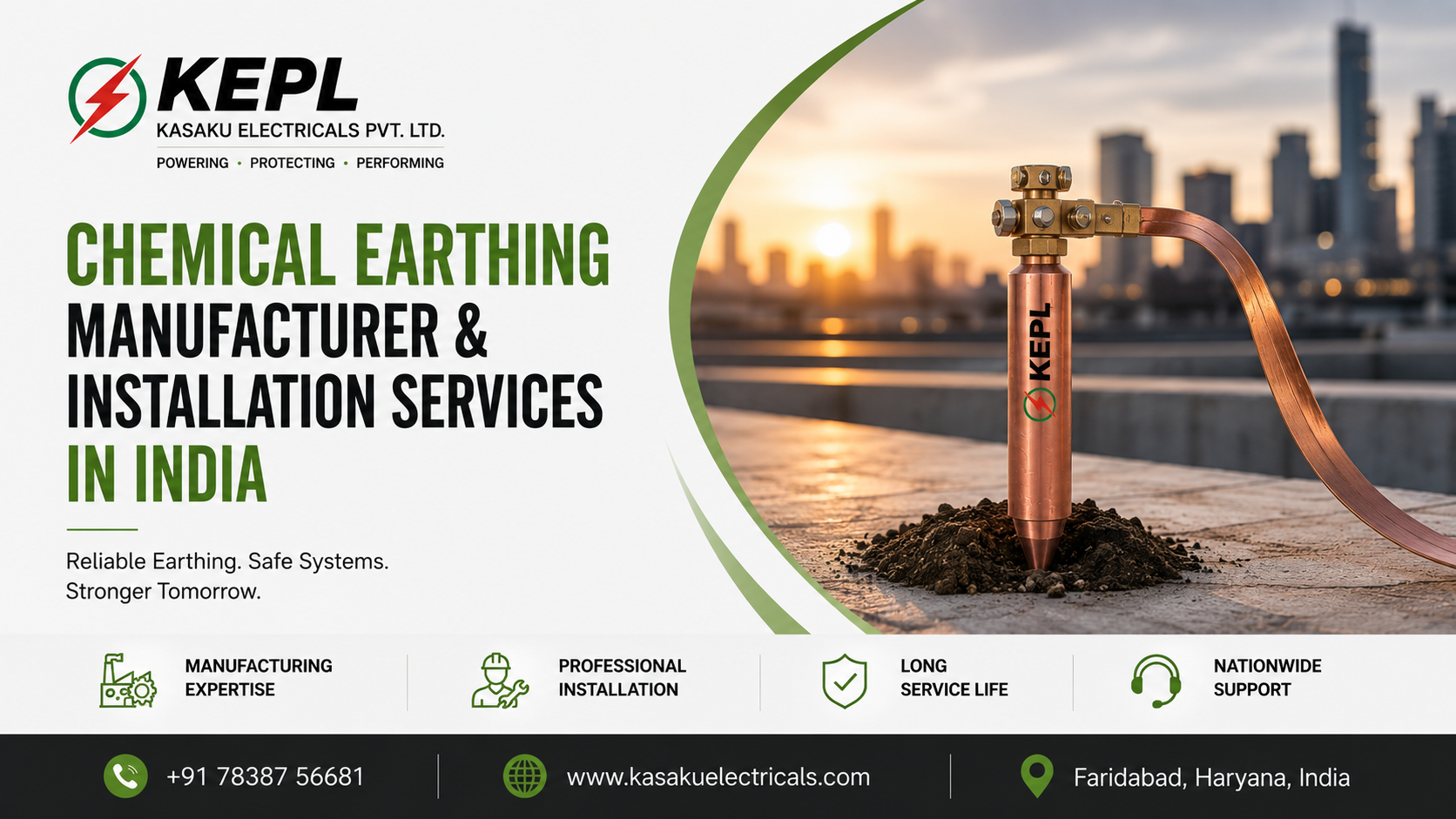
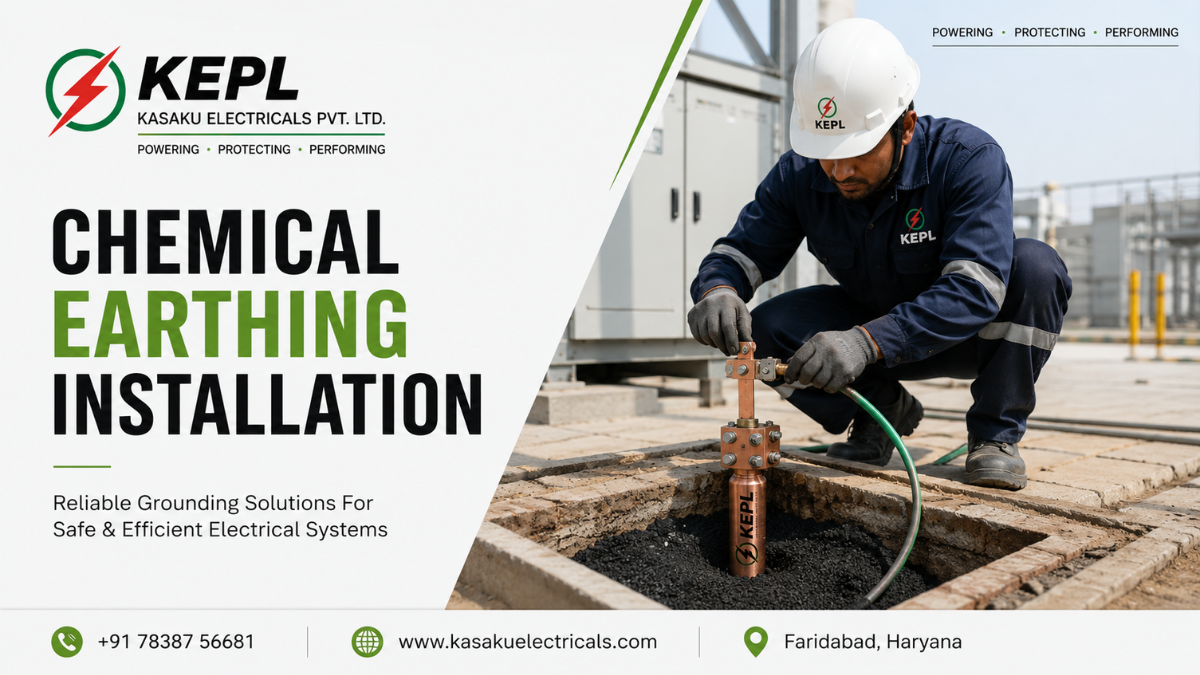
Chemical earthing system used for electrical grounding and safety
A typical chemical earthing system contains:
- A galvanised iron or copper electrode
- A conductive chemical compound
- A backfill material
- An earthing pit and lid
- An earthing connection, such as wiring or an earthing strip
The combination of these elements creates a low-resistance and permanent grounding solution.
How Chemical Earthing Works
Chemical earthing operates on a straightforward principle that is very effective.
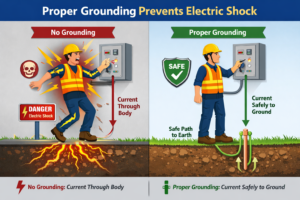
A short circuit or lightning strike creates a fault condition in an electrical system, which generates excess electrical current that requires a safe route or path to enter the ground. If a means of safely grounding the current is not provided, it could cause extensive damage to devices and could also lead to serious hazards or injuries, such as electric shock or fire.
Chemical earthing provides a low-resistance path through the electrode and conductive compounds. The conductive compounds that surround the electrode ensure a constant conductivity of the soil so that the fault current safely enters the ground.
Components of a Chemical Earthing System
Many critical components make up a chemical earthing system when it is designed correctly.
- Earthing Electrode – The earthing electrode is the main component of the earthing system that safely transmits the electric current to the earth. The electrode is usually made of copper or GI material.
- Conductive Compounds – Conductive compounds are placed around the electrode to maintain the level of moisture and lower the resistance of the earth.
- Earthing Pit – The earthing pit contains the electrode and compounds and has a safety lid for safety and easy inspection.
- Earthing Strip / Wire – The earthing strip or wire connects the electric equipment with the electrode to safely pass the fault current to the earth.
Key Benefits of Chemical Earthing
The advantages of using chemical earthing rather than conventional earth-grounding systems are many.
- Low Resistance
Chemical earthing provides consistent low resistance to earth (ground), which keeps current dissipating efficiently should there be a short circuit or fault.
- Longevity
Manufacturers build chemical earthing systems with durable conductive metals and corrosion-resistant materials, giving them a long service life.
- Low Maintenance
Conventional earthing systems typically require regular maintenance to continue operating properly (adding salt water to the earth electrode). Once installed, chemical earthing systems require very little maintenance to remain reliable.
- Universal Application
Chemical earthing is appropriate for many types of installations and works efficiently in all soil or geographic conditions, including:
– Dry soils
– Rocky soils
– Sandy soils
– High resistivity locations
- Safety/Protection
Chemical earthing creates a stable ground (earthing) that will help provide safety and protection to:
– Electrical systems
– Structures
– Human beings
Thus, reducing the potential of electric shock, fire and physical loss of property.
Importance of Chemical Earthing in Electrical Safety
Electrical systems can be utilised without issue, as long as they have a definite path for fault currents to travel to Earth. When there is no adequate ground for the system, any electrical faults that occur can cause severe damage and pose safety hazards.
Some of the areas where chemical earthing is particularly valuable include:
- Protecting Humans from Electric Shock
A proper grounding system directs stray currents safely into the ground, reducing the risk of electric shock. - Protecting Your Electrical Systems
Much of the equipment in our Electrical conditions is susceptible to damage from Electrical Surges or Fault Current. Chemical earthing systems provide a safe path for excess current, protecting electrical equipment from damage. - Reducing the Risk of Fire
If a fault in an electrical system occurs, it can create excessive heat and/or sparks, causing a fire. A well-designed and installed grounding system will prevent this. - Providing Lightning Protection.
When lightning strikes a building or other structure, chemical earthing will provide a path to ground that reduces damage to the structure and the risk of damage to anything or anyone around the building from the lightning strike.
The Installation of Chemical Earthing Systems
To operate properly, chemical earthing systems must be installed correctly. Installations should take into account the following:
- Selection of appropriate electrode material: Copper or GI electrodes have to be selected according to their conductivity and resistance to corrosion.
- Proper installation depth: The electrode has to be installed at a proper depth to ensure the presence of moist soil and constant conductivity.
- Use of high-quality conductive compounds: Special backfill compounds have to be used to ensure the retention of moisture in the soil and resistance to corrosion of the electrode.
- Secure connection of the earthing strip: Copper or GI earthing strips have to be connected properly for a safe path of fault current.
- Protection of the earthing pit: A strong pit chamber and cover should be installed to protect the system and allow easy inspection.
Conclusion
Modern electrical safety systems heavily rely on chemical earthing as a crucial component. Through its low-resistance property, chemical earthing creates an effective electrical pathway to carry fault currents quickly and safely in the event of an electrical incident. Thus, chemical earthing is a safeguard against personal injury and equipment damage during electrical emergencies.
With a focus on providing advanced earthing and grounding solutions to maintain safe, stable, and efficient electrical infrastructure, we offer one of the best investment opportunities to improve or upgrade the overall safety and dependability of an electrical system through the installation of a high-quality chemical earthing system.
Frequently Asked Questions
1. What is chemical earthing?
Chemical earthing is a sophisticated earthing technique wherein conducting compounds and electrodes are used, through which fault current flows safely into the earth.
2. What are the advantages of chemical earthing?
The advantages of chemical earthing are low earth resistance, long service life, corrosion resistance, and low maintenance.
3. What materials are used in chemical earthing electrodes?
The materials used in the chemical earthing electrodes include copper, galvanized iron, and copper-bonded steel.
4. How long does a chemical earthing system last?
The lifespan of the well-installed chemical earthing system is 20-25 years or more, depending upon the soil and the quality of the material used.
5. Where is chemical earthing commonly used?
The areas of application of the chemical earthing system include industries, commercial establishments, power plants, telecom towers, data centres, and domestic electrical systems.
Explore Electrical Products and Services
- Chemical Earthing Electrode in Faridabad
Learn more about our high-performance chemical earthing solutions:
https://kasakuelectricals.com/chemical-earthing-electrode-manufacturer-faridabad/ - Lighting Arrester
Protect your infrastructure from lightning strikes with our reliable lightning arrester systems:https://kasakuelectricals.com/products/lighting-arrester/ - Earthing Strips of GI
High-quality galvanized iron earthing strips designed for efficient grounding:
https://kasakuelectricals.com/products/gi-earthing-strips/
About Kasaku Electricals Pvt. Ltd.
Kasaku Electricals Private Limited is a trusted manufacturer of sophisticated electrical earthing and lightning protection solutions. Established in 2005, the company specialises in providing long-lasting earthing systems that are conductive and resistant to corrosion.
With technical expertise and a focus on innovation, we offer reliable and cost-effective earthing solutions for industries, business establishments, and government projects.