


Earthing Strips of GI: Importance, Applications, and Installation Guide
The safety of electricity is a critical part of any structure, type of business, or public works project. If properly constructed, grounding systems will safely direct electrical faults, lightning strikes, and leakage current into the earth. An important part of a grounding system is the GI earthing strips.
GI earthing strips (also referred to as electro-galvanised iron strips) are frequently used in electrical installations due to their durability, conductivity, and resistance to corrosion. Earthing strips act as conduits by which electric circuits are connected to the earth and therefore provide protection from electrical danger.
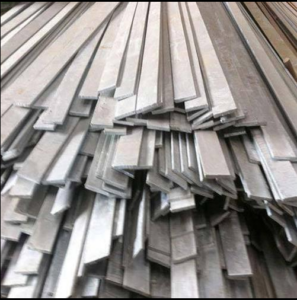
galvanized iron earthing strips
What Are Earthing Strips of GI?
Flat metal conductors of galvanized iron, known as GI earthing strips, are some of the materials that provide a plate conductor to allow fault current to safely flow to earth in ground systems.
In the galvanizing process, iron is covered with a protective layer of zinc to help resist rust and corrosion. As a result of this protection, GI earthing strips are an ideal choice in outdoor installations as well as underground grounding systems.
GI earthing strips are typically used to connect:
- Earthing electrodes
- Electrical panels
- Transformers
- Lightning arrestors
- Electrical equipment
- Structural grounding systems
Grounding and earth strips are important in technical terms for providing a reliable low-resistance return path to ground for electrical systems that mitigate electric shock risk and reduce the risk of damage due to any electrical fault.
The Importance of Grounding of Electrical Systems
Grounding is an integral element of electrical engineering, as it not only protects humans/people and equipment from any failure/defective equipment, but also protects everyone/anyone and all equipment from an electrical fault.
- Electric shocks to humans
- Damage to electrical equipment
- Fire hazards due to overheating
- Malfunction of electrical systems
GI earthing strips help eliminate these risks by safely transferring the excess current into the earth.
Specifications for Galvanized Iron (GI) Earthing Strips
GI Earthing Strips are available in multiple sizes and thicknesses based on usage needs. The following specifications are examples of commonly used:
- Material – The strips are made of galvanized iron with a zinc coating to prevent corrosion.
- Common Sizes – To select the appropriate earthing conductor size, consider both the conductor’s capacity to conduct current and other relevant information related to the overall electrical system requiring an earthing conductor.
- Long Service Life – When installed correctly, GI earthing strips can function effectively for many years with minimal maintenance.
- Easy Installation – The flat design of the strips makes them easy to install and connect with grounding electrodes and electrical systems.
GI Earthing Strips and Copper Earthing Conductors
Grounding systems typically contain either copper or galvanized iron conductors, each of which offers certain advantages that may work best for the intended electrical application.
Copper has a much higher conductivity than GI, so a lot of times it’s used in specialised installations where an extremely low-resistance path to ground is required. However, GI earthing strips continue to be one of the most common and reliable ways to provide an effective path to ground at a much lower installation cost.
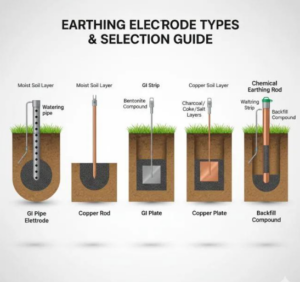
GI earthing strips installation diagram
Installation of GI Earthing Strips
The grounding system requires proper installation in order for it to function correctly.
- Planning the Layout for the Earthing System
Designing the grounding system before installation should include meeting electrical requirements and considering site conditions. - Connection of the Earthing Strips to the Earthing Electrodes
GI earthing strips are usually connected to earthing electrodes via components such as chemical earthing systems, plate earthing systems, or pipe earthing systems. - Installing the Trench
A trench should be excavated in the ground to provide enough space for a grounding strip to be placed below grade so that it can be completely covered in the ground and not present any obstacle above grade. Typically, trench installation depths require an excavation of between five hundred (500) and seven hundred and fifty (750) millimetres, depending on the installation details. - Secure Joint Connections
To be solid, frames should be joined by secure bolts, clamps or welds, depending on the design. - Additional Protection
If the frame is to be exposed to the environment for certain purposes, other types of protection can be used to ensure that the frame will withstand environmental exposure and last longer. - Testing of Earthing Systems
The earth has to be tested after the frame has been erected, because it is necessary to establish that the earth to which the frame will connect (i.e. the earth that will be electrically connected to the frame) meets the minimum safety requirements. - Selecting Quality GI Earthing Strip
Selecting an appropriate earthing strip is determined by various factors, including:
Load on electrical systems
Soil conditions
Installation location
Grounding system design
Safety requirementsIf properly planned and designed, the earthing system will perform correctly and produce reliable electrical safety in the long run.
Conclusion
GI earthing strips are a key component of grounding systems for installations in industrial, commercial and residential applications. They provide a safe path for fault current and electrical surges to ground, thereby reducing electrical hazards and preventing equipment damage.
For electrical infrastructure projects, GI earthing strips make good sense due to their ability to resist corrosion, offer mechanical strength, be low-cost and easy to install.
Explore Electrical Products and Services
- Chemical Earthing Electrode in Faridabad
Discover high-performance chemical earthing electrodes in Faridabad.
https://kasakuelectricals.com/chemical-earthing-electrode-manufacturer-faridabad/ - Earthing Strip of Copper
Explore durable copper earthing strips for efficient and safe grounding systems:
https://kasakuelectricals.com/products/copper-earthing-strip/
- Lightning Arrester
Find out how lightning arresters protect systems from surge damage:
https://kasakuelectricals.com/products/lightning-arrester/
About Kasaku Electricals Pvt. Ltd.
Kasaku Electricals Private Limited specialises in reliable electrical earthing and lightning protection solutions. Established in 2005, the company focuses on delivering durable, highly conductive, and corrosion-resistant grounding systems.
With strong technical expertise and a commitment to quality and innovation, we provide reliable and cost-effective earthing products suitable for industrial, commercial, and infrastructure projects.