

Copper Chemical Earthing System: Benefits, Installation & Guide
One of the most critical factors in any residential, commercial, or industrial establishment is electrical safety. A properly functioning grounding system can protect against electrical mal-distribution, lightning, and the effects of electrical current fluctuation. Among the many available grounding methods, copper chemical earthing is one of the best and longest-lasting.
Because of its ability to conduct electricity and withstand corrosion, copper has become a popular choice in earthing conductors. An understanding of how earthing functions with copper will assist you in making the most appropriate decision for a new asset or the replacement of an existing asset, based on your application’s needs.
What is Copper Chemical Earthing?
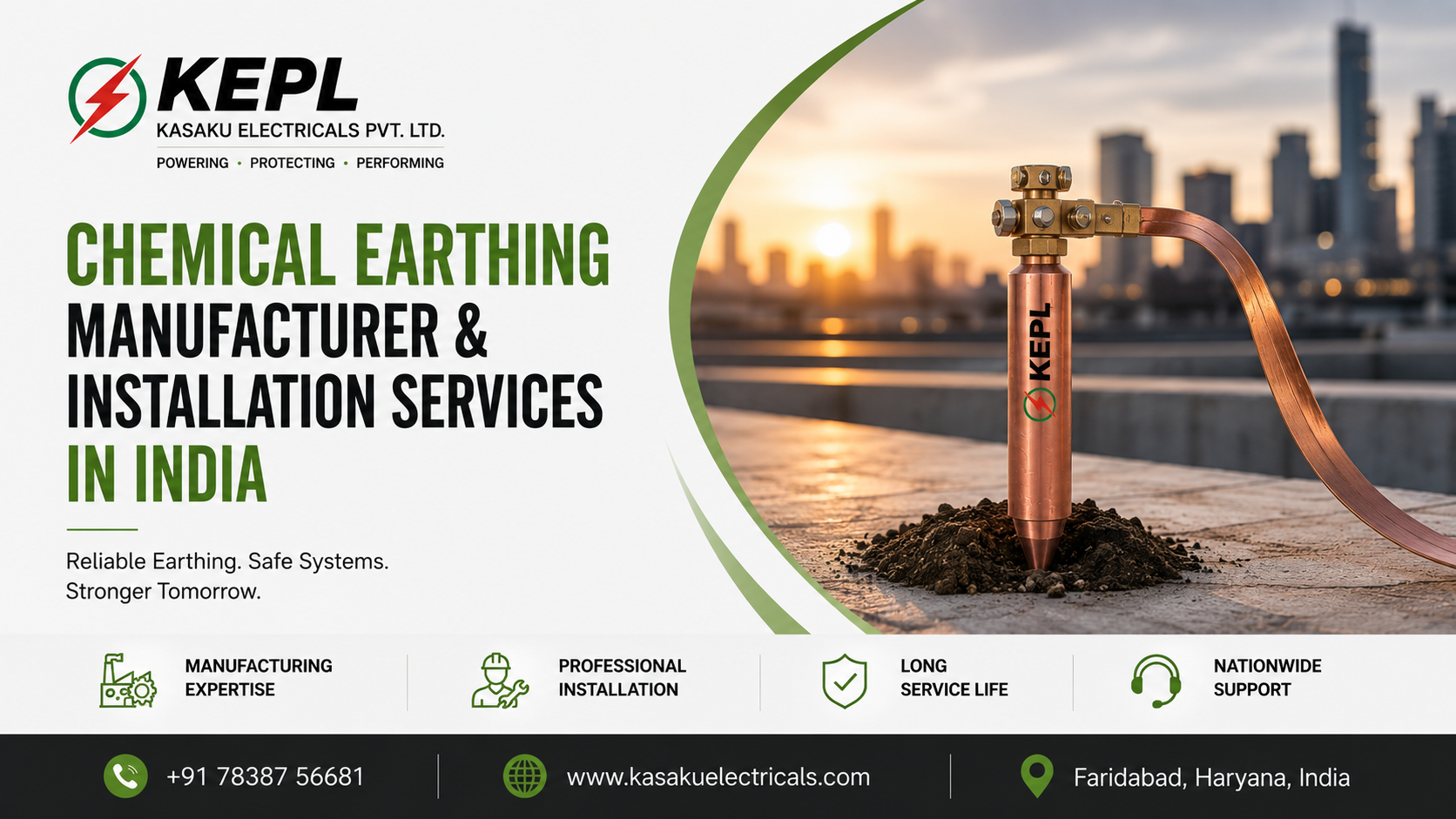
Copper chemical earthing works by installing a copper-bonded, or pure-copper electrode, along with various chemical components that provide a low-resistance ground.
Unlike traditional earthing or pipe earthing, the chemical earthing method uses specific backfill materials that provide both moisture and very high conductivity. As such, you can expect your ground to perform consistently, regardless of whether your soil is dry or highly resistant.
A copper chemical earthing system consists of the following components:
- Copper bonded Electrodes
- Backfill compound (chemical mixture)
- Earthing pit chamber
- GI/Copper strip for connection
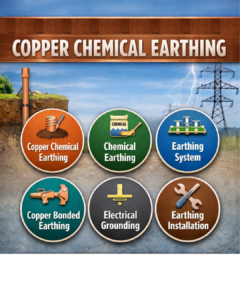
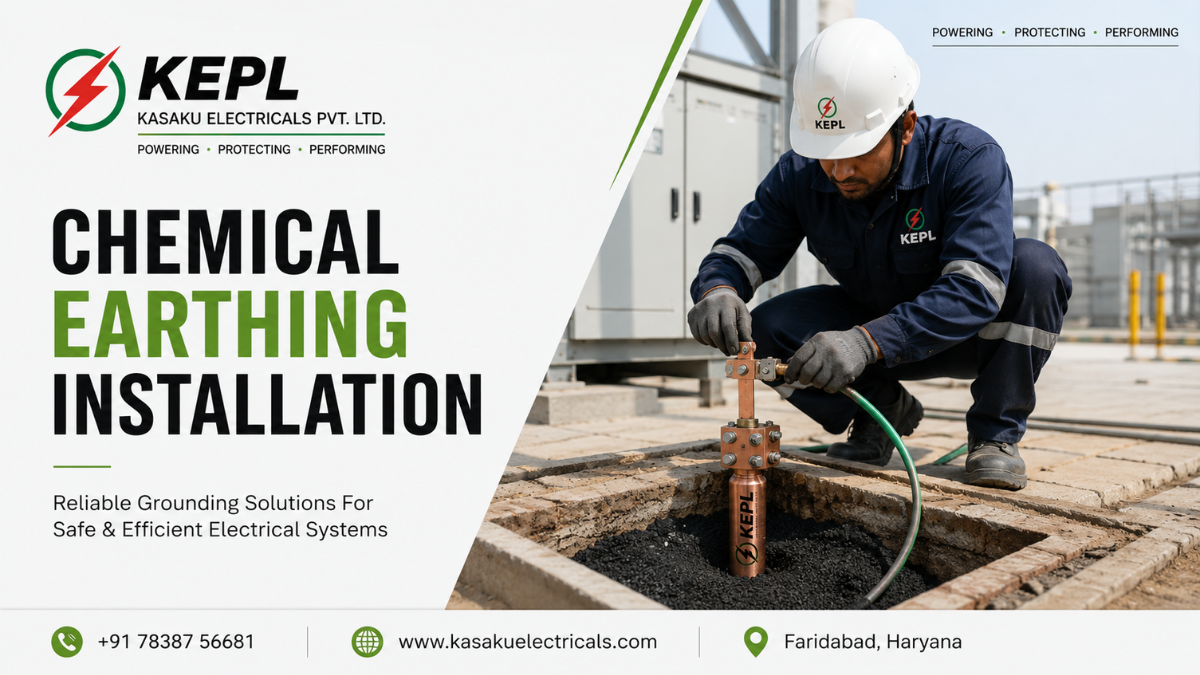
Copper chemical earthing system installation
Types of Copper Chemical Earthing
Explore the different types of Copper Chemical Earthing systems designed to suit various soil conditions and application requirements for reliable grounding.
1. Copper Bonded Chemical Earthing
Steel cores coated with copper form the basis of copper-bonded chemical earthing electrodes, also called CC electrodes. CC electrodes are durable and provide excellent conductivity at an affordable price point.
2. Pure Copper Chemical Earthing
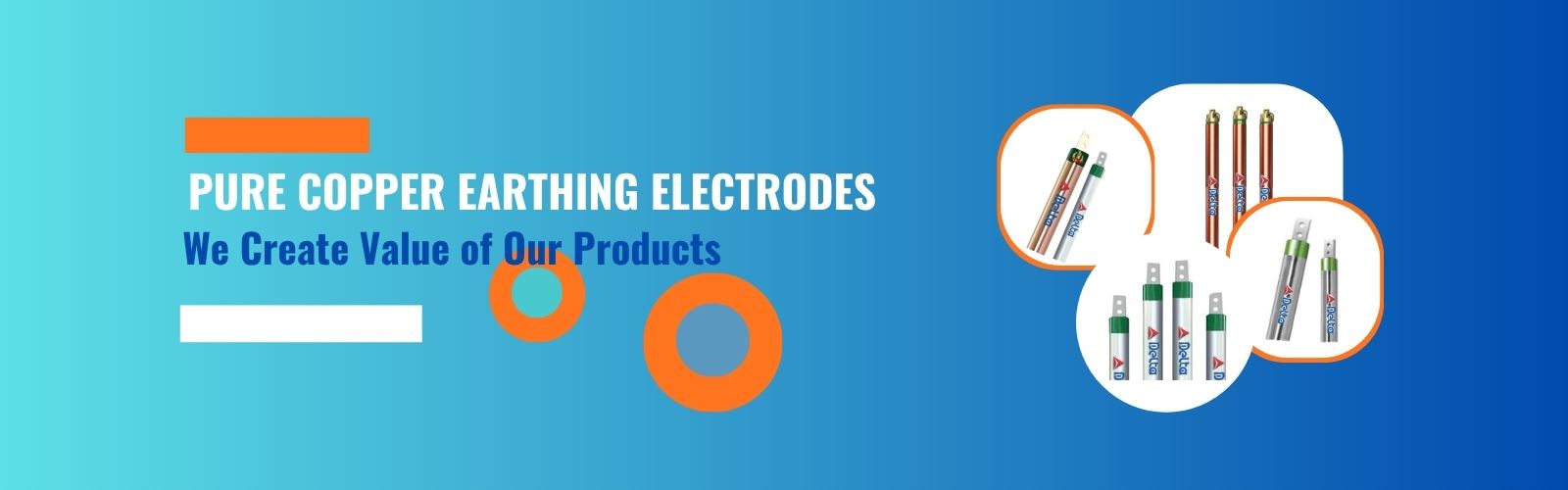
Pure copper chemical earthing electrodes are made entirely from high-grade copper, ensuring maximum conductivity and a minimum longevity. These electrodes should be applied only to the highest-priority installations that require high performance.
Components of Copper Chemical Earthing System
Essential elements that work together to ensure efficient, low-resistance, and long-lasting grounding performance.
1. Copper Bonded Electrode
The primary lead helps install the primary conductor into the ground. It typically consists of a steel core with a copper coating.
2. Backfill Compound
A conductive material that surrounds the electrode, enhancing soil conductivity and retaining moisture for stable, long-term earthing performance.
A specially designed conductive material that:
- Enhances soil conductivity
- Retains moisture
- Reduces resistance
3. Inspection Chamber
A protective enclosure that protects the earthing connection point with easy access for inspection, testing, and maintenance.
4. Earthing Strip/Wire
The earthing strip/wire is the conductive link between the earthing electrode and the electrical installation, providing safe and efficient conductance of fault current to earth.
When we compare Chemical Earthing and Normal Earthing, there are many distinguishing factors between the two systems, with Chemical Earthing being a more advanced and reliable solution for modern electrical installations.
Earthing Systems Compared: Chemical vs Traditional Methods
1. Backfill Compounds Used
Conventional Earthing uses materials such as charcoal or salt to reduce soil resistance. Chemical Earthing, however, uses more advanced, non-conductive enhancing materials such as bentonite or silica compounds to create a better connection and long-lasting performance.
2. Type of Earthing Electrodes
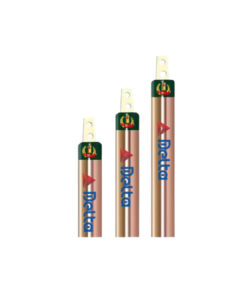
Conventional earthing typically uses copper or GI plates, whereas chemical earthing uses advanced electrodes like:
- Copper Bonded Electrodes
- Pure Copper Electrodes
- GI Electrodes
- Pipe-in-Pipe Electrodes
These electrodes offer superior performance and durability.
3. Service Life
Chemical earthing has a longer lifespan (10–15 years) compared to 3–5 years in conventional earthing, making it more reliable over time.
4. Cost Effectiveness
Although chemical earthing has a slightly higher initial cost, it becomes more economical in the long run due to its longer service life and minimal maintenance.
5. Installation Process
Chemical earthing requires less time and effort for installation, as it involves a smaller drilled hole and no need for regular watering systems.
Conventional earthing, on the other hand, requires large pits and continuous maintenance, including watering.
What is an earth pit as it relates to copper chemical earthing?
An earth pit is the physical location where the earthing system is installed. It is a specially prepared underground chamber that houses the copper-bonded electrode and conductive backfill material.
In Copper Chemical Earthing, the earth pit is not just a hole—it is a scientifically designed system that ensures:
- Low and stable earth resistance
- Proper moisture retention
- Long-term performance without frequent maintenance
Structure of an Earth Pit
An earth pit consists of an electrode surrounded by conductive backfill, enclosed with a protective chamber for effective grounding.
- Earth Electrode (Copper-bonded rod/pipe)
- Backfill Compound (chemical powder or gel)
- Inspection Chamber (RCC or polymer cover)
- Funnel & Watering System (optional in some designs)
- Earthing Strip/Wire Connection
Ideal Size of Earth Pit
- Depth: 2 to 3 meters (could change depending on the earth)
- Diameter: 300 mm through to 600 mm
- Chamber Sizes: Typical 300 × 300 mm or 450 × 450 mm
Copper Chemical Earthing Pricing
Factors Affecting the Price of Copper Chemical Earthing. Many factors influence the price of a Copper Chemical Earthing System (or EGS). These include:
• The quality of material (pure vs. bonded copper)
• The type of soil (oe, clay vs. sandy)
• Installation depth of the electrode
• And the specifications of the project itself.
Since each site has unique electrical and environmental characteristics, prices will vary accordingly.
You should always choose custom-made solutions for your system’s design to achieve maximum performance, safety, and durability. The proper design will not only protect the equipment but also reduce future operating and maintenance costs.
We offer an extensive range of earthing systems, including Pure Copper, Copper Bonded, GI, and Chemical Earthing Electrodes. Contact us today for detailed information, expert guidance, and a copper chemical earthing solution tailored to your project requirements.
Explore Electrical Products and Services
- Chemical Earthing Electrode in Faridabad
Learn more about our high-performance chemical earthing solutions:
https://kasakuelectricals.com/chemical-earthing-electrode-manufacturer-faridabad/ - Copper Bonded Gel Earthing
A copper-bonded electrode with conductive gel for low resistance and long-lasting grounding:
https://kasakuelectricals.com/products/copper-bonded-gel-earthing/ - Earthing Strips of GI
High-quality galvanized iron earthing strips designed for efficient grounding:
https://kasakuelectricals.com/products/gi-earthing-strips/
About Kasaku Electricals Pvt. Ltd.
Kasaku Electricals Private Limited has been in business since 2005 and is a well-known company that manufactures high-quality electrical earthing (grounding) & lightning protection systems. We focus on delivering durable, conductive, and corrosion-resistant grounding systems.
Kasaku has strong technical knowledge and is committed to developing innovative products. Therefore, they make cost-effective earth electrodes for industrial, commercial, and government applications.